

It is an undeniable fact that wellness retreats used to have pretty terrible food. Picture your parents checking into a “health spa,” and you probably envision some joyless combination of cottage cheese, pineapple, and steamed vegetables. Maybe a hard-boiled egg, yolk likely scooped out, or a little turkey roll-up for good measure. Times were bleak!
Luckily for us, they have also changed. As wellness tourism continues to rise—the industry was valued at $894 billion in 2024 alone, according to the Global Wellness Institute—the food served at them has gotten a refresh too. Much like the wellness industry at large, wellness retreat kitchens have moved away from ’90s diet culture and toward more satisfying, wholesome meals.
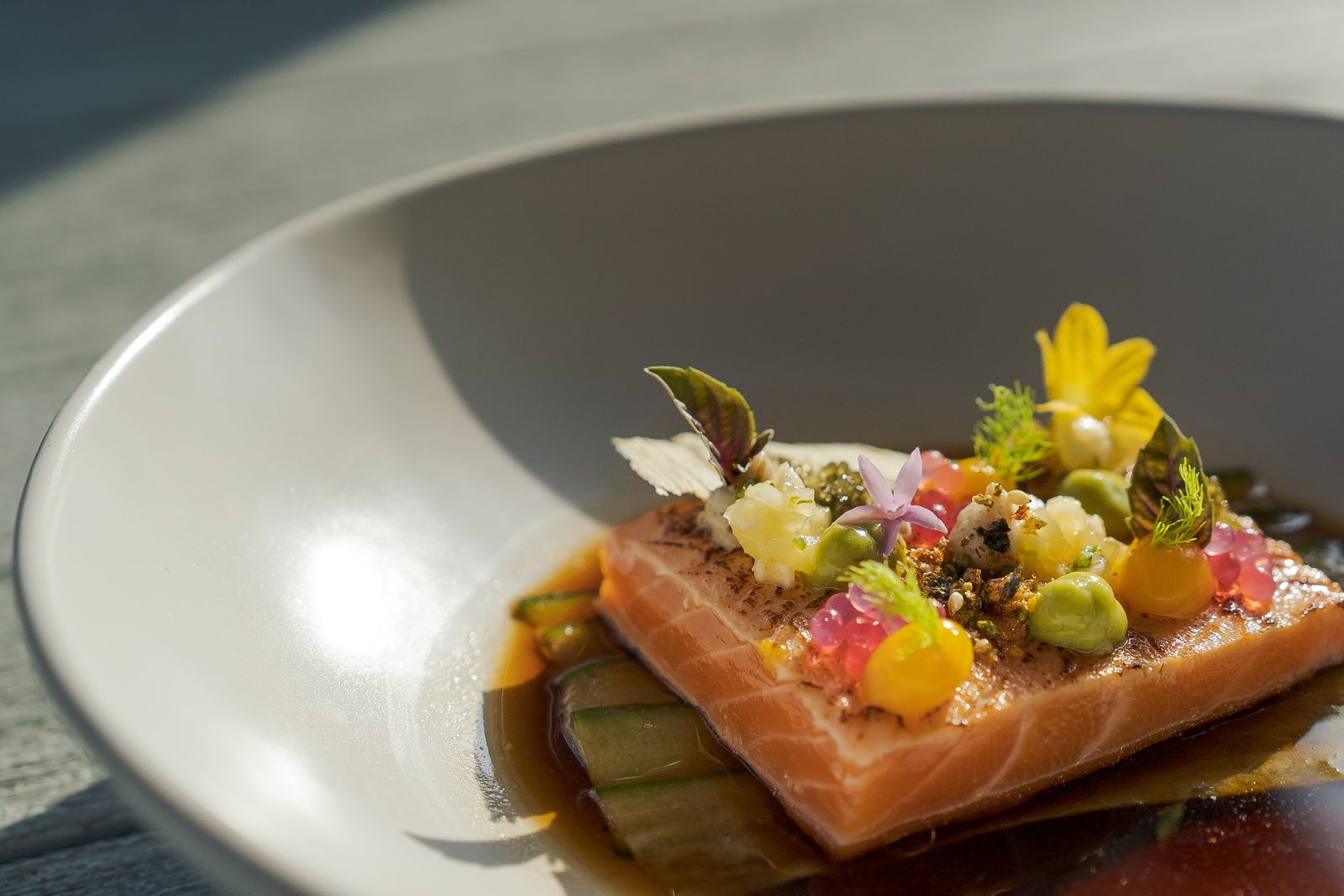
“There’s a common misconception that wellness food has to be boring or flavorless, but that’s really not the case anymore,” says Taylor-Jayne Shearman, executive chef at Joali Being, an ultra-luxe wellness retreat in the Maldives where villas start at $2,200 per night (and cost an additional $1,265 or more for a five-day well-being program). “Retreats are becoming more creative with wellness food nowadays. It is, in fact, entirely possible to take quality produce, and turn it into something nourishing, fulfilling, and, yes, tasty.”
So what will those increasingly creative wellness meals actually look like should you attend a luxe retreat in 2026? Chances are, they will skew local—a food ethos retreat nutritionists and chefs are embracing more and more with each passing year. And for good reason: A growing body of research suggests that eating locally may help you avoid diseases such as diabetes, hypertension, and more. After all, you’re not only giving your body key nutrients, you’re also sidestepping ingredients that could be harmful in high quantities, like high fructose corn syrup and refined sugar.
At Mii amo, for example—a celeb-favorite wellness retreat in the surreal Sedona desert that starts at $4,600 for a three-night “Journey” program and is beloved by Gwyneth Paltrow and Hailey Bieber—the restaurant sources its produce from its own chef’s garden, plus nearby farms, ranches, and orchards. And the same is true at Euphoria Retreat, a high-end wellness hotel tucked into the Peloponnese mountain range in Greece. “Our philosophy here is that local food is the healthiest of all,” says Androniki “Niki” Jarjalou, the lead nutritionist at Euphoria. “We know that many people come to Greece for the food. And so, rather than serving an international menu, we offer a mostly Greek menu.”
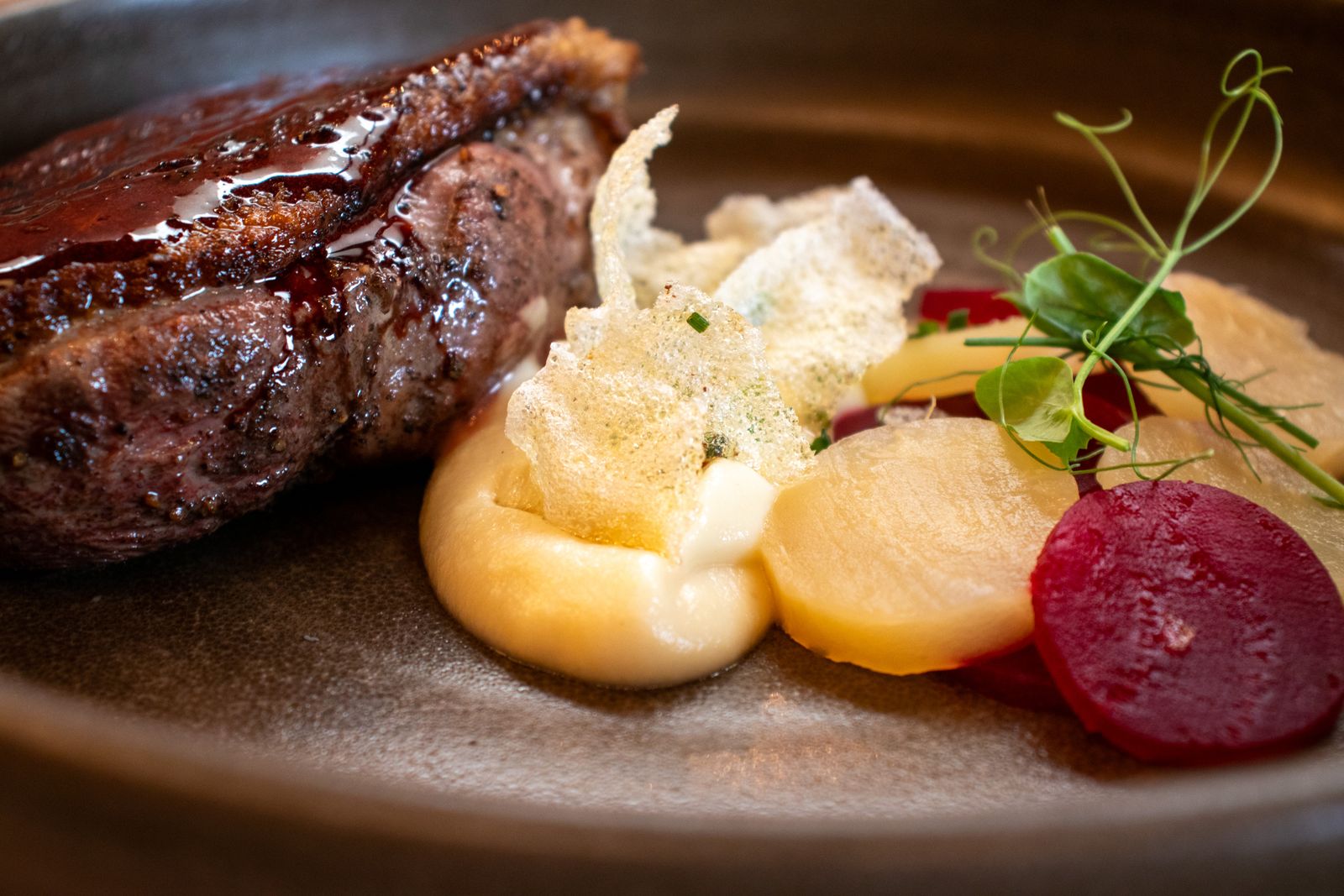
When guests check into Euphoria, which starts at $8,275 for a seven-day well-being detox program during high season, they are usually on a specific plan. In addition to well-being detox, other options include conscious leadership, advanced weight loss, fitness, and more. But while each guest’s menu is tailored to their needs, the overall ethos is about letting the fresh ingredients do most of the work. Menu items include typical options like fresh fruits and vegetables, but also even red meats like local lamb and rooster, which, according to Jarjalou, offers a plethora of nutritional benefits like high protein for muscles and bones, essential minerals like iron and zinc, and omega-3s and collagen for supporting heart and brain health. Plus, since the animals are local, Jarjalou and her team members know that the quality of the meat is better since the animals are raised without hormones or antibiotics. “When the root ingredients are local, that usually means they are fresh and delicious on their own, so I don’t really have to do that much to them,” Andreas Giannopoulos, the retreat’s executive chef, explains. At the request of the retreat’s nutrition team, he doesn’t even use much salt or sugar or flour in his cooking. “We are very lucky here in Greece because our local materials are so good, I don’t need to add much to give them flavor.”
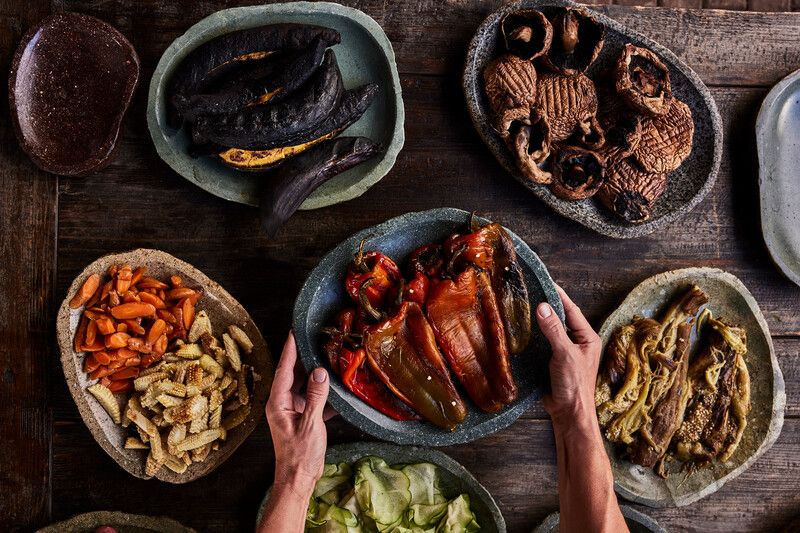
Similarly, over in Costa Rica, the nutrition and culinary team at Hacienda AltaGracia, Auberge Collection—a lush tropical retreat in the remote southern mountains of the country—prioritizes sense of place above all else. “Over the past year, we’ve noticed that our guests have become increasingly interested in food that is local and culturally rooted, rather than generic ‘health food,’” says Vivianne Garcia-Tunon, vice president of wellbeing at Auberge Collection. And so, similar to Euphoria, that’s exactly what they serve them. “Our food philosophy is rooted in Costa Rica’s rich culinary heritage, honoring local recipes first,” Garcia-Tunon continues. Their menu includes Costa Rican specialties like linefish casado (sustainably-caught fish with rice, beans, plantains, and salad), mango de feria (fresh local market mango with lime and a touch of salt), and more. “Wellness food is often misunderstood, overshadowed and overcomplicated by trends, rules, and labels,” says Euphoria’s lead chef Andreas Giannopoulos. “But all of these things distract from what truly matters: the quality and integrity of the local ingredients.”
Of course, a renewed focus on fresh ingredients isn’t the only big food trend at wellness retreats these days. Many are also returning to traditional cooking methods—think slow cooking and wood-fired cooking—that emphasize time and technique above all else. At Euphoria, for example, chef Andreas prioritizes slow cooking, a technique that dates back thousands of years. “Slow cooking uses low heat over a longer period of time,” he says. “When you prepare food that way, it not only increases the flavor, it also keeps the proteins inside of the meat or fish or whatever else you’re cooking—so you end up getting more nutritional benefits overall,” he explains. Another advantage? Slow cooking does not require frying or the use of heavy oils to get the flavor, as the technique itself does the work.
That same emphasis on method is also prevalent in Costa Rica, though in a different form. At Hacienda AltaGracia, executive chef Carlos Caballero favors wood-fired cooking at their signature restaurant, Cienfuegos. “This ancestral tradition supports longevity,” Caballero explains, “because it enhances flavor naturally and preserves nutrient integrity.” Even halfway around the world, that focus on technique holds true. Joali Being’s head chef says their popular Maldivian yellowfin tuna dish is prepared with traditional ancient Japanese techniques to spotlight the quality of the local fish. These include sashimi-bōchō (precise, single-stroke slicing techniques used to preserve the texture and appearance of the fish) and shiojime, or salt curing, which uses salt to draw out moisture, concentrate flavor, and improve the texture of the fish. “In the Maldives and around the world, there’s now a much larger focus on the sourcing of produce than there was ten years ago,” she says—an approach that allows the ingredients themselves to shine without too much fanfare.
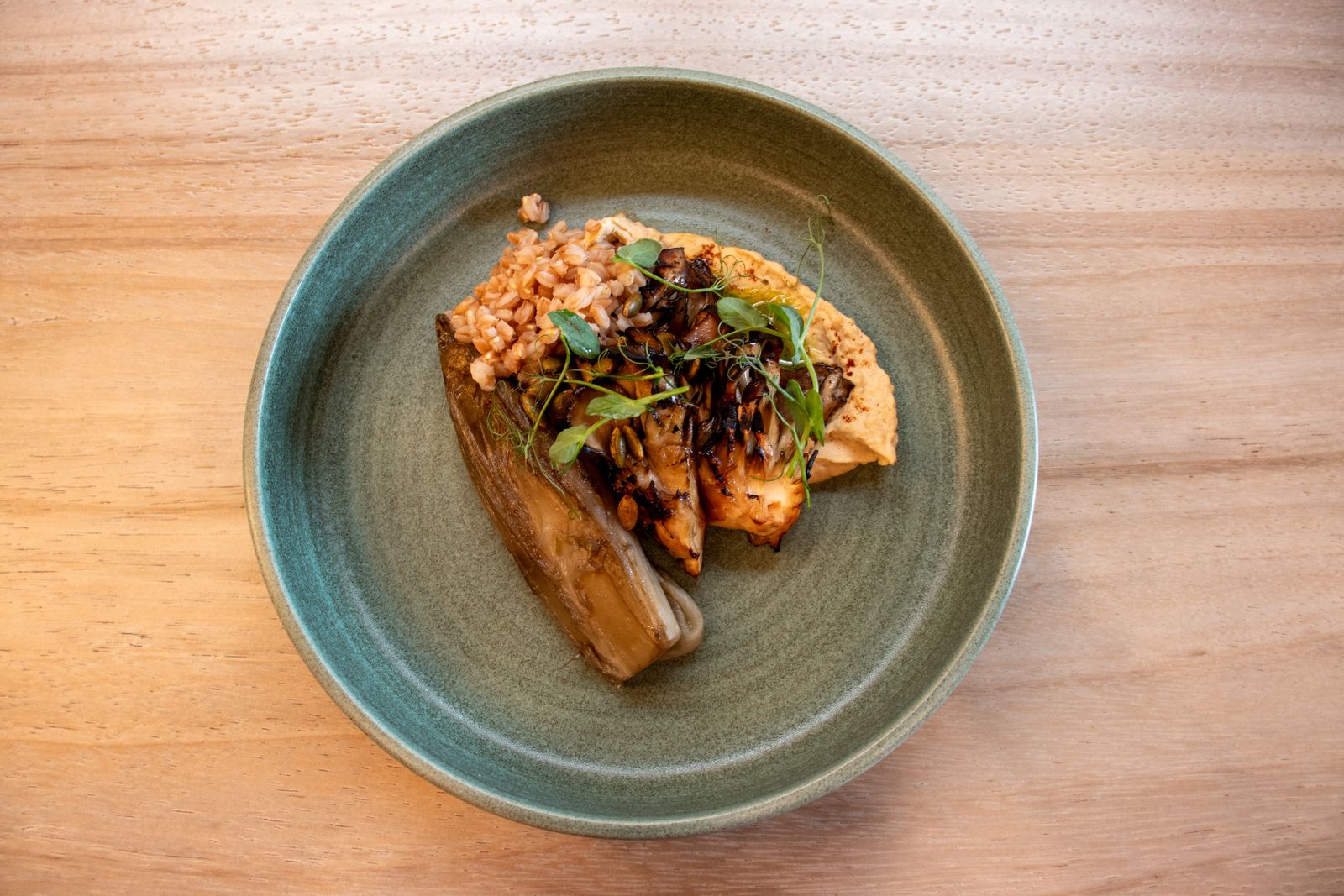
In a world that’s going increasingly analog, this return to ancient philosophies and techniques is not entirely surprising. After all, many Indigenous cultures around the world have long understood how to eat well and be well. But for anyone who remembers the cottage-cheese era of wellness retreats, this shift alone still feels like progress.
Related:
- What Women Are Actually Getting Out of Those Menopause Retreats
- What Actually Happens When Women Spend Days in Complete Silence
- A Day in the Life of Keegan McManus, Whitney Leavitt’s Private Chef
Get more of SELF’s great service journalism delivered right to your inbox.
